
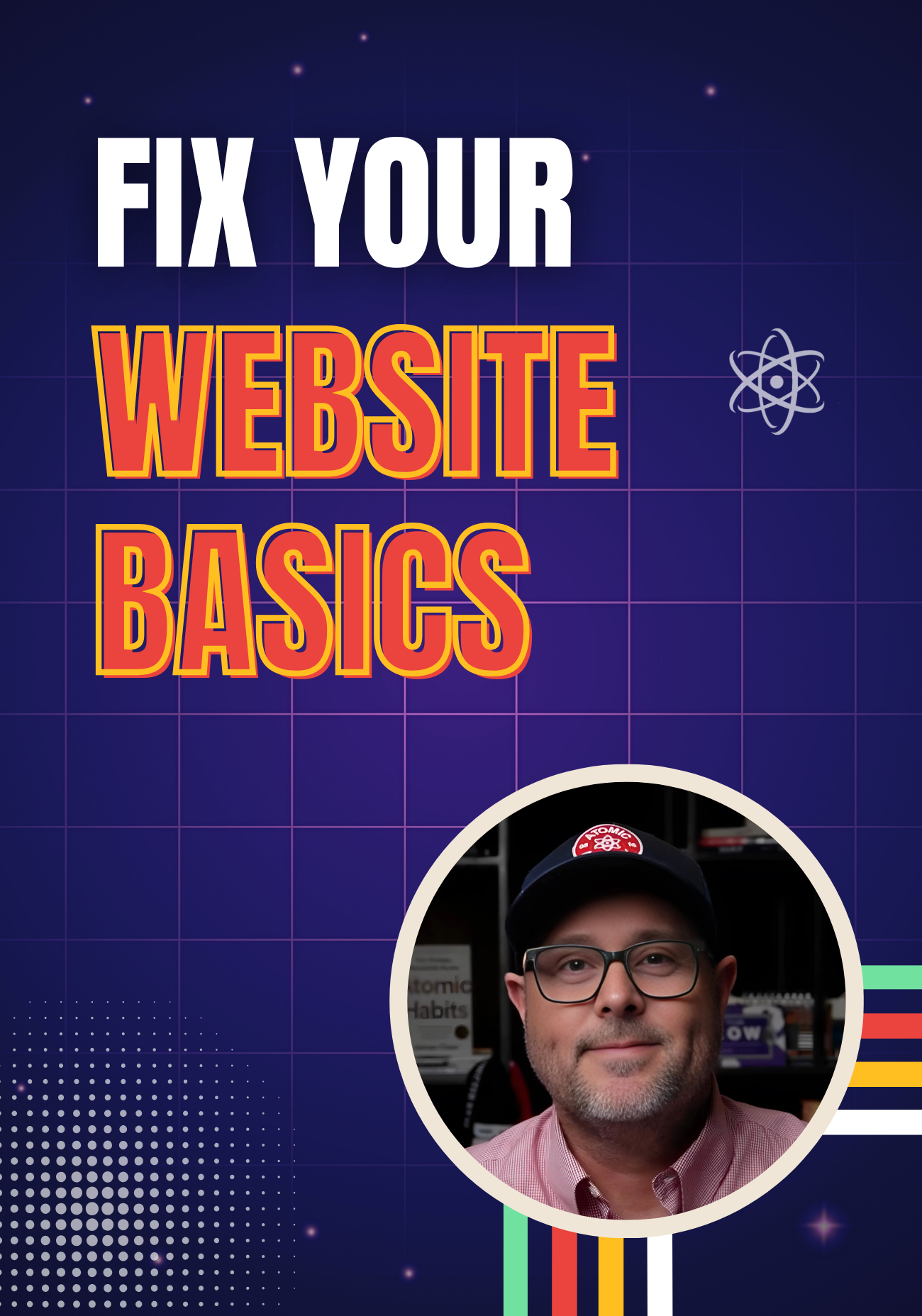
Overlooked Dealership Website Basics for 2025


Overlooked Dealership Website Basics for 2025

ATOMIC
Featured On

Most dealership websites look fine at a glance, but underneath the surface they share the same weaknesses. Dealers post thin, infrequent blogs and rely on inventory and the homepage to carry all of their search visibility. When vehicles sell, rankings and leads disappear with them. Gayle Rogers argues that the real opportunity in 2025 is to fix these basics with intention. That means building evergreen landing pages around profitable products and services, publishing deeper content that genuinely helps buyers make decisions, and finally adding human, community-centered elements to the site. For decision-makers, this is a chance to stabilize traffic, increase trust, and stand out in the local market without simply increasing ad spend.
Key Takeaways:

Thin, infrequent blogs do not build authority or predictable traffic.
Dealers posting small entries once a month can’t compete for meaningful queries.

Relying on inventory for SEO creates unstable visibility as units sell.
When a vehicle leaves the lot, the page and its rankings often disappear with it.

Evergreen landing pages around profit centers create durable local search presence.
Service, finance, parts, and used-vehicle guides outlast individual VINs and stabilize traffic.

Most sites lack real personalization, even though dealers are community businesses.
Shoppers rarely see real staff or local community content, which erodes trust.

Treating the website as a precious asset is an easy competitive advantage in 2025.
Small, consistent improvements create separation because competitors under-invest.
“This is one of your most precious marketing assets. And with just a little bit of care and a little bit of like extra attention, you could do so much more with it, so much more with it. And it would stand out from everyone else because no one’s paying attention to these things.”
The “Thin Blog” Trap
If your blog cadence is once a month and each post is a few hundred words, you are signaling to both shoppers and search engines that content isn’t a priority. Gayle Rogers points out that what many dealers call content is thin and inconsistent an easy opportunity for competitors to seize. Publish two to four substantive posts per month that answer real buyer questions like how to compare certified versus one-owner SUVs or what matters in a warranty beyond headline years and miles. Quality beats volume, but consistency builds authority.
When Inventory Sells, Rankings Vanish
Most dealerships rely on the homepage and VIN pages to carry SEO. The problem is inventory churn. When a unit sells, the page disappears and so does the ranking that page earned. Rogers calls out this fragile strategy directly: if you don’t develop local search beyond inventory, you’re exposed. Stop letting your visibility ride on what’s on the lot this week and build durable pages that don’t disappear with sales.
Evergreen Pages Around Profit Centers
The antidote to unstable, inventory-dependent traffic is a portfolio of evergreen landing pages. Start with your biggest profit drivers and most searched local intents:
- Service and maintenance: brake repair, oil changes, tires, seasonal checkups
- Financing and trade: financing options, first-time buyer programs, trade-in valuation, credit challenges
- Used inventory themes: best used SUVs under a price point, certified vs. non-certified, three-row family vehicles
- Parts and accessories: OEM vs. aftermarket guidance, ordering, installation
These pages should include FAQs, comparisons, pricing guidance, process steps, testimonials, and strong calls to book or call. Thin pages won’t win; detailed, helpful pages will.
What to Build First
Start with a service hub and three high-margin service pages. Next, launch a finance hub and a trade-in valuation page. Then ship two comparison guides for your top used segments. Aim to deliver these within a focused 90-day window and continue iterating monthly.
Add Real Community and People
Dealers are community businesses: you employ neighbors, sponsor local causes, and sell to families you know. Yet most sites hide the humans. Rogers notes a striking lack of photos of actual team members and local scenes a missed trust signal in an era of template sites. Replace stock with real assets: staff bios with photos, behind-the-scenes service images, delivery-day highlights with permission, local partnerships, and a “Why We Serve [City]” page. Authenticity improves conversion because shoppers buy from people, not placeholders.
Treat the Website Like the Asset It Is
Your website is not a brochure; it’s an appreciating asset when you invest in it. As Rogers emphasizes, small, consistent improvements can help you stand out because few competitors are paying attention. Assign an internal owner, set quarterly goals, and report on leading indicators such as publish cadence, new evergreen pages, and on-site engagement alongside lagging ones like leads, repair orders, and influenced sales.
A 90-Day Fix Plan
- Weeks 1–2: Audit content; map profit centers; pick 8–10 evergreen targets
- Weeks 3–6: Publish service hub and three service pages; add staff bios and real imagery
- Weeks 7–10: Launch finance hub, trade-in page, and two used-segment guides
- Weeks 11–13: Add structured FAQs to all hubs; implement internal links; review CTAs; measure
FAQs
How many blog posts should a dealership publish each month?
Short answer:
Aim for two to four substantial posts monthly that answer specific buyer questions. Thin monthly posts won’t build authority.
Long answer:
Consistency compounds authority. Rogers highlights that many dealers post once a month and those posts are thin, which leaves rankings and traffic unpredictable. Publishing two to four well-researched posts per month lets you target priority keywords, internal-link to evergreen pages, and build topical depth over time. Choose topics tied to local demand and profit centers service advice, financing clarity, and vehicle comparisons so each article generates both search visibility and qualified inquiries.
Why is relying on inventory pages risky for SEO?
Short answer:
Inventory churns; when cars sell, pages vanish and the rankings vanish with them. Build permanent pages that outlast individual VINs.
Long answer:
VIN pages can rank briefly, but they are inherently temporary. As Rogers notes, when inventory is coming and going, so is your rank. The result is unstable visibility and inconsistent lead flow. Evergreen hubs service, financing, trade-in, used-vehicle guides provide durable targets for local queries and capture demand regardless of what’s on the lot. Use inventory pages to convert in-market shoppers, but let evergreen pages shoulder the long-term visibility.
What makes an evergreen landing page for a dealership?
Short answer:
A permanent page focused on a high-value topic service, financing, parts, or used-car segments with clear CTAs, FAQs, and internal links.
Long answer:
Evergreen pages target persistent search intent, not a fleeting SKU. For dealers, that includes service categories like brakes and tires, financing programs, trade-in valuation, and used-segment guides. Each page should include localized copy, process steps, pricing guidance ranges, testimonials, rich media, and structured FAQs. These pages attract stable traffic, improve Quality Score for ad landing, and provide internal-link anchors to related posts creating a resilient foundation that inventory pages can’t match.
How should we add personalization without slowing the site?
Short answer:
Use real staff photos, community images, and short stories optimized, compressed, and loaded via modern formats and a CDN. Authenticity beats stock.
Long answer:
Rogers observes a lack of personalization across dealership sites few real team photos and minimal community presence. Add authentic assets: staff bios with photos, customer delivery spotlights, shop-floor images, and local partnerships. Technically, compress images with modern formats, lazy-load below the fold, and serve via a CDN to keep Core Web Vitals in check. Pair visuals with short narratives about your store and town to humanize your brand and improve conversion.
What’s a realistic 90-day plan to fix website basics?
Short answer:
Ship 8–10 evergreen pages, upgrade imagery and bios, and publish 6–8 deep posts tied to profit centers measured weekly.
Long answer:
In Weeks 1–2, audit content and pick targets. Weeks 3–6, publish a service hub plus three high-margin service pages and replace stock with authentic photos and bios. Weeks 7–10, launch a finance hub, trade-in page, and two used-segment guides. Weeks 11–13, add FAQs to all hubs, implement internal links, and review CTAs. This plan translates Rogers’ observations into tangible deliverables that stabilize traffic and improve lead quality.

Contact Us
Ready to turn your website into a true profit center? Book a strategy session with Gayle Rogers at Atomic to map your 90-day evergreen content plan, replace stock with authentic community assets, and stabilize your local search pipeline for 2025 and beyond.

More Articles


04 Begin
It’s about time for you to get started.
Ready to revolutionize your marketing approach with proactive, trust-building conversations? Fill out our form today and discover how we’ve reinvented conversational marketing. Your next success story starts here.

in·ter·loc·u·tor
/ˌin(t)ərˈläkyədər/
noun
FORMAL
a person who takes part in a dialogue or conversation.